A 10-Min Calm Loop: 4-in-1 Anxiety Relief Bundle

The Anxiety Relief Bundle: A Path to Calm — A Practical 4-in-1 Routine for Daily Support
Feeling stuck in a loop of worry can make even simple tasks feel heavy. The good news is that anxiety often responds best to small, repeatable steps—not perfection. The Anxiety Relief Bundle: A Path to Calm is a 4-in-1 digital bundle that brings together mindfulness exercises, positive thinking prompts, a printable checklist, and a course outline to help build a steadier routine—especially on days when motivation and focus are low.
It’s designed to be practical: calm the body first, then sort thoughts, then take one small next step. For a quick overview of anxiety and how it can show up in daily life, the American Psychological Association’s anxiety resource offers a helpful, plain-language starting point.
What this bundle is designed to help with
- Creating a predictable calming routine that can be repeated daily or weekly
- Reducing spiraling thoughts by switching from rumination to structured actions
- Building awareness of triggers and early warning signs through guided exercises
- Supporting healthier self-talk with practical positive thinking frameworks
- Making follow-through easier with printables that reduce decision fatigue
When anxiety is loud, decisions feel harder than they “should.” A simple routine helps by lowering the number of choices you have to make in the moment, so you can move from “What do I do?” to “Here’s the next step.”
What’s included in the 4-in-1 bundle
- Mindfulness exercises: short, repeatable practices for grounding, breathing, and present-moment focus
- Positive thinking tools: prompts and reframes that guide thoughts toward balanced, realistic perspectives
- Printable checklist: a quick-reference page for “what to do next” during anxious moments
- Course outline: a step-by-step structure to turn the materials into a clear learning and practice plan
- Digital-friendly format: use on a phone/tablet or print key pages for easy access
Bundle components at a glance
| Component | Best for | How it fits into a routine |
|---|---|---|
| Mindfulness exercises | Calming the body and attention | Use first to lower intensity before problem-solving |
| Positive thinking prompts | Reducing cognitive distortions and self-criticism | Use after calming to reframe thoughts and choose next steps |
| Printable checklist | Quick guidance during high-anxiety moments | Keep visible; follow in order when overwhelmed |
| Course outline | Consistency and progression | Use weekly to plan sessions and track progress |
A simple way to start: a 10–15 minute “calm loop”
Think of this as a short circuit-breaker you can repeat. Keeping the loop small makes it easier to begin—even when you don’t feel like it.
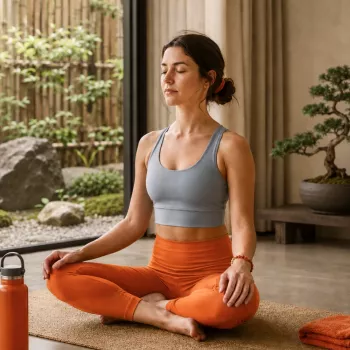
- Step 1 (2–5 minutes): choose one mindfulness exercise and focus on slow, steady breathing
- Step 2 (5 minutes): use one positive thinking prompt to name the worry and write a more balanced alternative
- Step 3 (2 minutes): check the printable list for a small next action (hydrate, step outside, message a friend, tidy one surface)
- Step 4 (1–3 minutes): note one takeaway to reinforce progress and make tomorrow easier
- Tip: set a timer and keep the goal small—consistency matters more than intensity
If breathing support is helpful, the NHS breathing exercises for stress page offers simple instructions you can pair with the bundle’s practices.
Using the printable checklist when anxiety spikes
The checklist is most useful when it’s easy to grab and you trust it enough to follow it without debate. The goal is to reduce “in-the-moment negotiating,” which can keep anxiety going.
- Place the checklist where it will be seen quickly (desk, nightstand, fridge, phone lock-screen folder)
- Follow the order: regulate the body first (breath/grounding), then clarify thoughts, then choose one action
- Use the checklist as a decision shortcut—avoid negotiating with the anxiety in the moment
- Consider printing two versions: a full page for home and a condensed version for a bag or wallet
- Pair the checklist with a consistent cue (morning coffee, end-of-work transition, bedtime wind-down)
Turning the course outline into a 2-week practice plan
A plan helps you practice when things are calm, so the tools feel more natural when stress ramps up.
Mindfulness doesn’t have to be long to be useful. For background and evidence-based context, the National Center for Complementary and Integrative Health (NCCIH) overview of meditation and mindfulness is a reliable reference.
Who this bundle tends to fit best (and who may want more support)
Ideas to pair with your routine for better follow-through
If overwhelm is a major driver, pairing your calming routine with a straightforward planning system can help you stop re-deciding the same priorities every day. Goal-Setting Guide for Real Results is a printable companion that can support clearer next steps—especially after you’ve used the calm loop to lower the intensity.
Recommended digital tools (in stock)
- The Anxiety Relief Bundle: A Path to Calm | 4-in-1 Bundle | Mindfulness Exercises, Positive Thinking, Printable Checklist & Course Outline
- Goal-Setting Guide for Real Results – Printable Goal Planner, SMART Goals Workbook & Productivity Template for Achievable Success
FAQ
Is this bundle a substitute for therapy or medical care?
No. It’s a self-guided support resource for building daily skills and routines, not medical advice or treatment. If symptoms are severe, worsening, or include thoughts of self-harm, seek immediate professional help or local emergency resources.
How long should the exercises take each day to feel useful?
A realistic target is 10–15 minutes per day, especially at the start. Consistency usually matters more than length, so even one short mindfulness practice plus one prompt can be a solid daily baseline.
Can the printable checklist be used during a panic-like surge of anxiety?
Yes—use it as a step-by-step guide with body regulation first (breathing/grounding), then thought clarification, then one small action. If panic-like episodes are intense or frequent, additional clinical strategies and professional support may be needed alongside self-guided tools.







Leave a comment